
The best content online all works because of the same reasons. There’s just some content that you physically cannot stop watching. Sports media cracked that code 40 years ago.
And there’s no better example of this than ESPN. They’ve been doing this for decades, and they’ve figured out how to keep millions locked in every day.
Some of those formats ran for 20, 25 years, and you don’t get that kind of run by accident. And what made them work has nothing to do with sports. If you make content, this is the difference between stuff people scroll past, and stuff they actually stop for.
So I went through decades of ESPN programming and I’m going to break down some of their most iconic shows and what made them work, so that hopefully you can steal some of these ideas for whatever you make.
The Clock
Imagine you’re watching a game. Let’s say you don’t even care about it. But it’s close, there’s two minutes left, and somehow you can’t get up. The clock is winding down, every possession matters, and you’re locked in because it’s almost over.
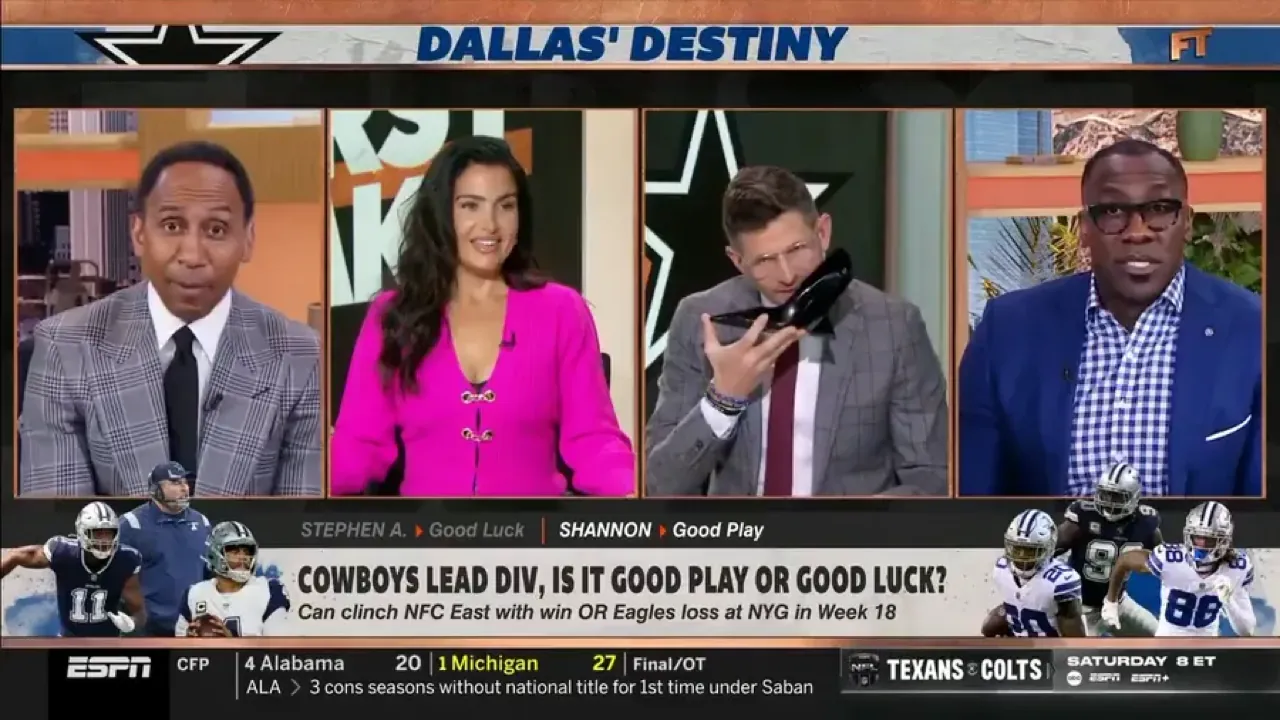
ESPN figured out how to take that exact same feeling and build entire shows around it. And one of their most popular shows, Pardon the Interruption, is probably the best example. It’s hosted by two guys who’ve been friends for decades, Tony Kornheiser and Michael Wilbon. They sit across from each other and argue about the day’s sports topics, and every topic has a visible timer counting down on screen. When it hits zero, they move on.
The entire show is about 22 minutes. They cover a bunch of topics, each getting between 90 seconds and two minutes. It’s just topic after topic, no dead air, no filler. The list of upcoming topics stays on screen the whole time, so you’re always looking ahead to what’s coming next.
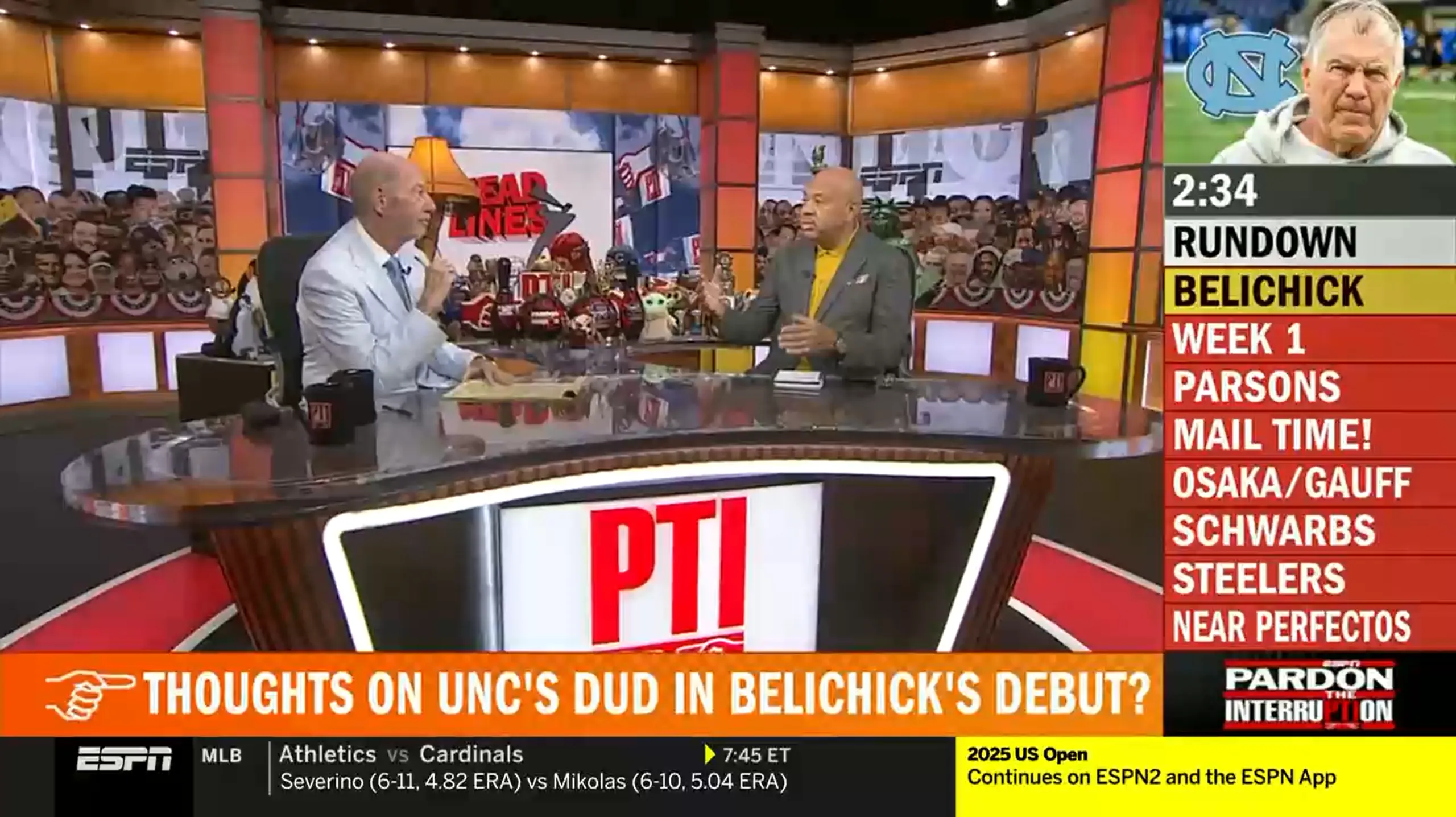
PTI with the countdown timer and full topic rundown on screen. Every segment is timed, and you always know what's coming next.
The timer here does two things. It creates urgency because you know that segment is ending soon, so you actually pay attention. And it gives you a sense of where you are in the program, like a progress bar you can glance at. Nobody gets to ramble for eight minutes while you lose interest.
These constraints force density. When the clock is running, you can’t waste time.
And this works way beyond TV. MrBeast built an empire on the same idea. He put a countdown on pretty much anything, a Squid Game recreation, a 100-day bunker survival challenge, and people want to watch until it’s resolved. The whole question becomes “will they make it?” And you have to stay to find out.
PTI has been going on since 2001, and at its peak it pulled over a million viewers daily. The format hasn’t changed in over two decades, and the hosts are still doing it. And the reason is simple. Most content loses people because there’s no structure and no sense of what’s coming next. PTI solved that from day one.
The clock keeps people from leaving, but it doesn’t make them feel like they’re part of the show. And that’s a completely different problem.
The Score
Well, ESPN figured out that if you put a score on pretty much anything, people start keeping track in their heads. They just can’t help it. And they built a whole show around that idea.
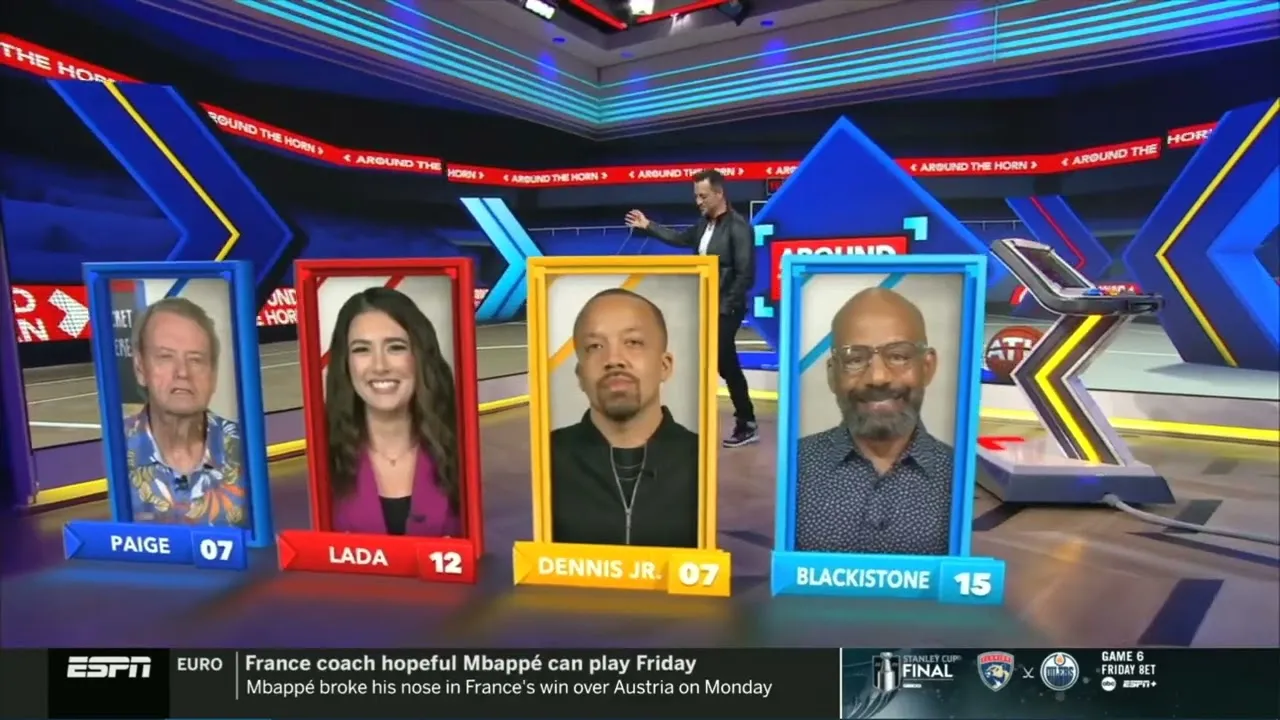
Around the Horn with live scores under each panelist. The points change in real time as the host awards or deducts them.
Around the Horn is the best example here. Here’s how it works. There are four panelists arguing sports topics, and the host, Tony Reali, scores them in real time with a joystick.
He awards or deducts points based on how good their arguments are. Whoever has the most points at the end gets the final say, uninterrupted time on the air to say whatever they want.
He’s also got a mute button, and he uses it. If someone says something dumb or goes off topic, he mutes them mid-sentence. Audio just cuts out while the other panelists keep going. The scoring has real consequences, which keeps the energy high and the arguments tight.
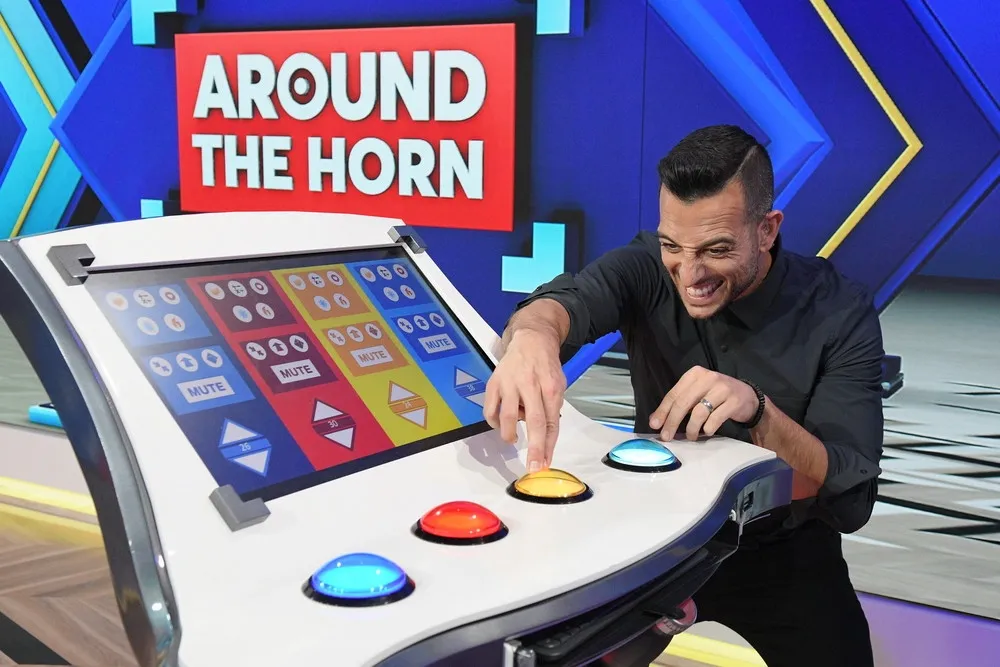
Tony Reali at the mute button console. One press and a panelist's audio cuts out mid-sentence.
So you, the viewer, are tracking a lot at once. The arguments, who’s getting points, whether the host should have even awarded them. It’s all on screen like a game, except it’s content.
You end up judging every answer whether you mean to or not. That’s what makes you part of the show.
If you just gamify anything, people stop being passive viewers and start actively participating.
That’s why tier list content does so well on social. Someone ranks fast food chains or movies from S tier to F tier, and the audience is mentally ranking along with them the entire time. Every placement is something to agree or disagree with, and that also fills the comment section too.
Scoring gets people tracking what’s happening on screen. But ESPN figured out something that goes even further.
The Take
When someone says something you have an opinion about, whether it’s a prediction or a hot take, you can’t just let it go. You form your own position whether you mean to or not. And once you have a position, you’re locked in. ESPN built more of their programming around this one idea than anything else.
One of the best examples is College GameDay. Every Saturday morning during college football season, College GameDay sets up on the campus of that week’s biggest game. Three hours of analysts breaking down matchups and making their picks, live, in front of thousands of students.
The show started in 1987 as a simple studio program. When ESPN took it on the road in 1993, it became one of the biggest sports shows on television.
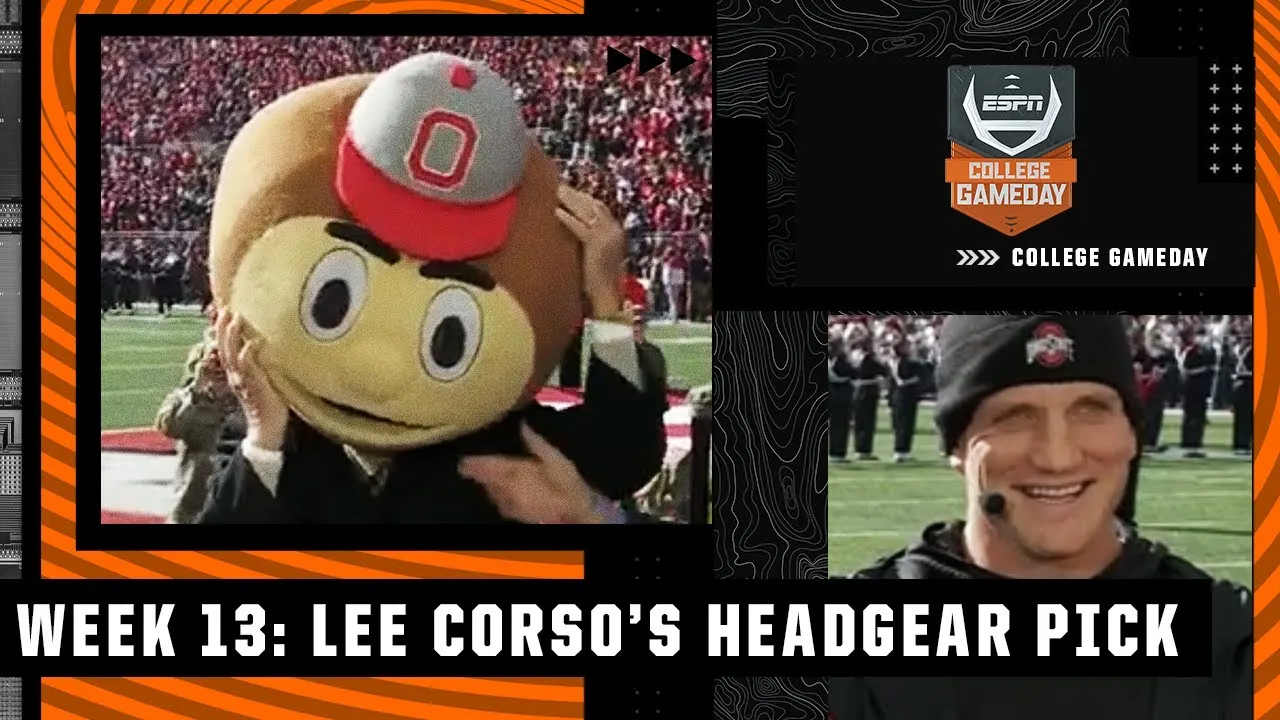
Lee Corso's headgear pick on College GameDay. Every week he puts on the mascot head of whoever he's picking to win, and the crowd loses it.
The predictions are what people show up for. Who are you picking to win? The crowds go crazy. And the picks create an open loop that lasts all weekend. You hear someone’s prediction, you make your own, and now you’re locked in until the game is over.
You don’t know what’s going to happen. You have to watch to find out.
Fantasy football runs on the same psychology. You set your lineup every week, make your picks, and try to beat your opponent. Once you’ve made your picks, everything around the games starts to matter more. The analysis, the previews, the post-game breakdowns. You care because you have something on the line.
But predictions are just one version of this. Remember PTI? Two friends debating sports over lunch. ESPN took that same energy and turned it all the way up.
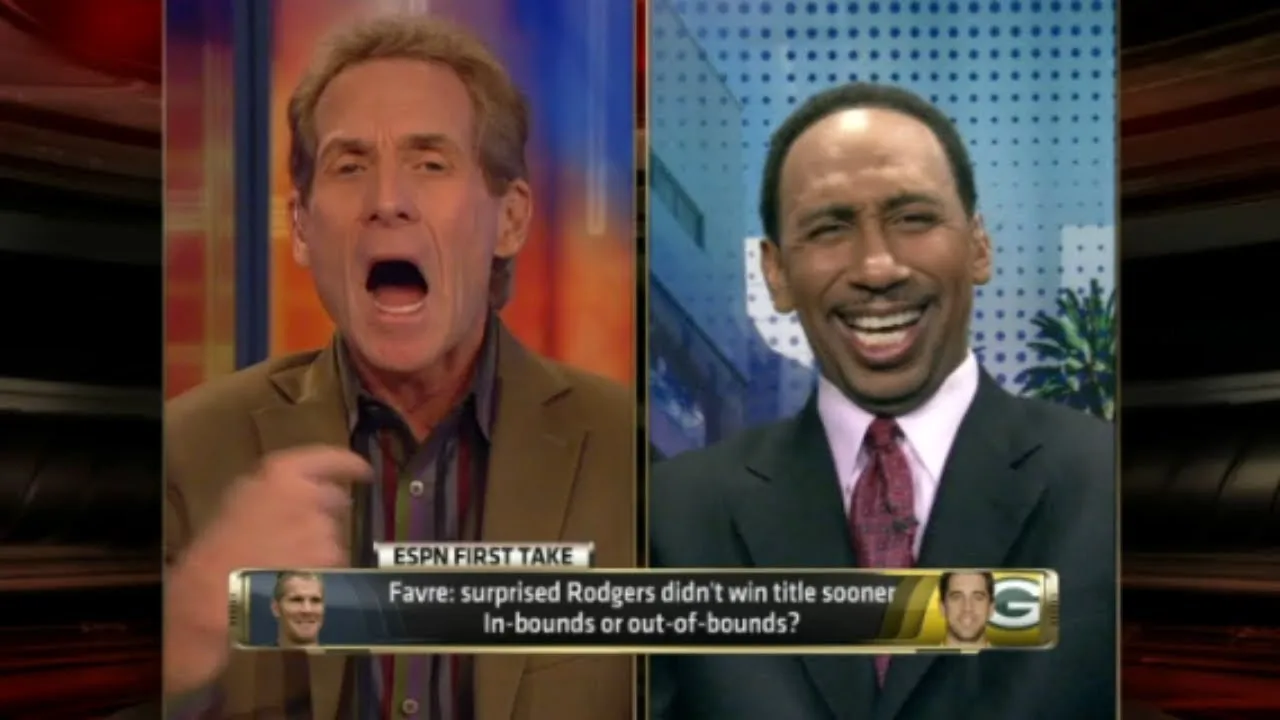
Skip Bayless and Stephen A. Smith on the original First Take set. This pairing turned sports debate into appointment television.
First Take is where it all came together. These two, Stephen A. Smith and Skip Bayless, would go at each other with full energy on every topic, and the harder the take, the better. Skip would say something crazy on purpose, Stephen A. would do his over-the-top reaction, and everyone watching would choose a camp. Once you pick a side, you’re watching every week to see your guy win the argument (or at least see what they have to say).
Skip understood that being disagreeable is a format in itself. Half the audience watched just to see him be wrong. When he left ESPN in 2016, Stephen A. became the sole host, and the faces across the desk have changed multiple times since. Max Kellerman, Shannon Sharpe, whoever comes next. But the format outlasted every matchup because the format didn’t depend on who was sitting across the desk.
From First Take on, most sports programs were either copying this format or positioning against it. Strong opinions are what get people to share. If you have an unexpected take, people are going to discuss it, and that’s what spreads.
The hot take format doesn’t need sports at all. You can see it playing out everywhere now. Subway Takes is one of the most popular shows on the internet right now, and the whole idea is a person sitting on the New York City subway with a hot take about pretty much anything. They get about two minutes to defend it while strangers listen.
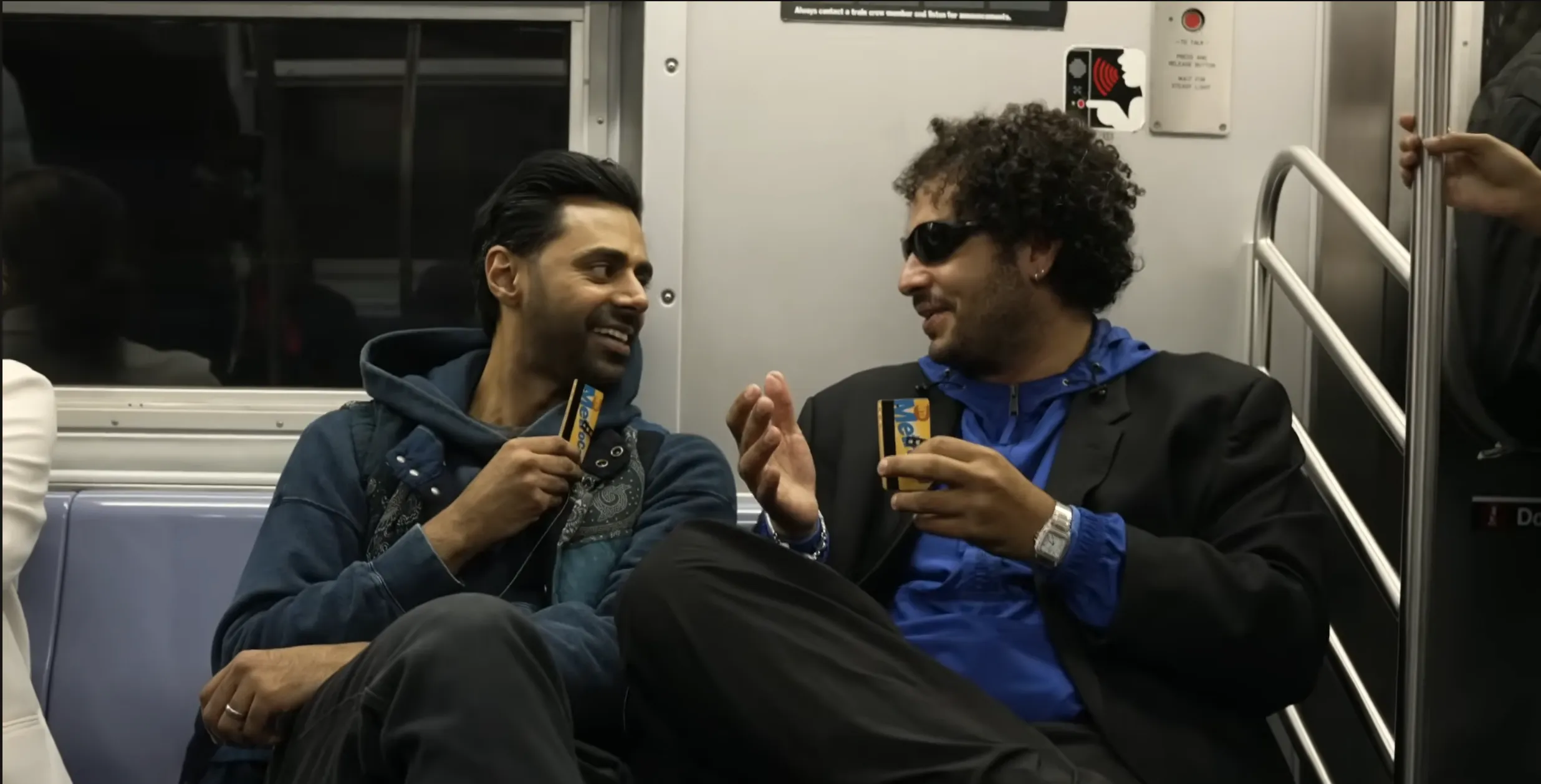
Subway Takes on the NYC subway. Same debate format as First Take, just on a train with strangers instead of a studio.
The topics range from relationships to work to food to things you’d never expect someone to say out loud on the subway. Every episode fills the comment section with people arguing about whether the take was right, which is exactly what First Take was doing on cable 20 years ago (except they didn’t have a comment section yet). The format is evergreen because the psychology is the same: give someone a strong opinion, and the audience can’t help picking a side and fight.
The Evolution
So these formats work everywhere, on any platform, in any niche. Which raises the obvious question: if ESPN figured all of this out, why did someone else end up doing it better online?
One deal tells the entire story.
In May 2023, ESPN signed Pat McAfee to a five-year, $85 million deal. The network that built all of these formats was paying that kind of money for someone who’d built his audience on YouTube.

The Pat McAfee Show on ESPN. Built on YouTube first, then brought to the network that invented the formats he was already using.
If you don’t know Pat McAfee, he’s a former NFL punter who retired at 29, launched his own show on YouTube, and built a daily live format that pretty much broke traditional sports TV.
The show had everything ESPN had been doing for years.
- The clock. Three hours every day, live, with recurring segments that structured the show.
- The score. Constant bets and predictions tracked on air, guests challenged on their takes.
- The take. Weekly predictions, unfiltered opinions, loud and unapologetic.
And then there’s McAfee himself. His co-hosts sitting across the room, joking around, reacting in real time. It felt like a group of friends watching sports together and you the viewer are in the room with them. All of the formats and structures help, but people kept showing up because they liked McAfee. The person in front of the camera is what makes people show up. He built a show where his personality was also the format.
McAfee just did it on YouTube, where nobody had to be polished.
That approach built a nationwide audience that traditional sports TV was struggling to hold onto. ESPN brought him in while cutting talent that had been there for decades. That tells you everything. Someone outside the building was doing their own playbook better than they were.
People kept coming back for the same reasons they always had. Same ideas, just on a different platform.
So why couldn’t ESPN do it themselves? Their formats were built for cable. Commercial breaks, always following guidelines, advertiser-friendly everything. That’s what made those shows work on tv, but it’s what made them feel rigid online. Pat McAfee had none of that, so the same ideas played out with completely different energy.
Whether you like Pat McAfee or not, the deal proved that these ideas work on any platform. ESPN just wasn’t the one to do it.
The Playbook
So if you make content, here’s what I’d take from all of this:
Give yourself less room. Maybe a 20-minute podcast with a set structure beats an hour of rambling for you, because you have less time, a tighter format, and it forces you to get to the point. Content tends to expand until people lose interest, and giving yourself these constraints could prevent that.
Let people keep score. One example is ranking the top tools in your industry. People will probably argue about your picks whether you ask them to or not. Maybe give them a checklist and they’ll likely grade themselves against it, or put a benchmark or a framework in front of them and they’re probably going to figure out where they stand.
Have a take. If your content could have been made by anyone, it’s probably not going to get shared. Say what you actually think. Make predictions. Take a position. Obviously don’t just be contrarian for contrarian’s sake, but that’s what tends to get people talking and what gets them coming back.
Your personality needs to shine. At the end of the day, people follow people. If your audience connects with you, and you make content on topics that you’re actually interested in, they’ll probably keep showing up regardless of what you end up talking about.
I didn’t know any of this when I was coming home after school as a kid, turning on ESPN every day. I just kept watching. But the best TV, the best content, the best formats all work like this, and when it’s done properly, people don’t think about why they keep showing up. They just do.